
09032025021443.jpeg)









27042022053919.png)
Shoulder Osteoarthritis
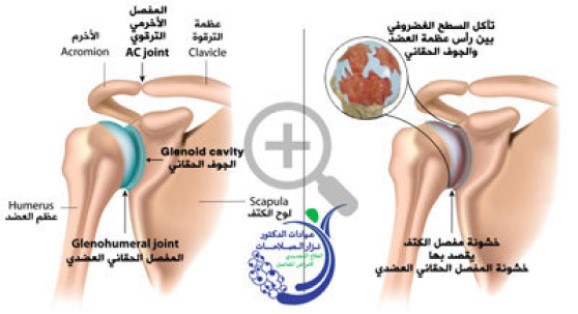
Shoulder osteoarthritis can cause severe pain to the patient and limits many of his usual daily activities, such as throwing a ball, lifting loads or driving a car, as shoulder joint is involved in most movements. The incidence of shoulder osteoarthritis increases with age, but there are other reasons that may increase the incidence of OA even in young people such as sports injuries, recurrent dislocation, and excessive stress
Shoulder osteoarthritis is caused by soft cartilage that covers the upper limb surface of the humerus (called glenohumeral joint), spiny hollow and "shoulder OA", a general term for the erosion or degeneration of cartilage surfaces between the humerus and the glenoid cavity.
27042022053851.png)
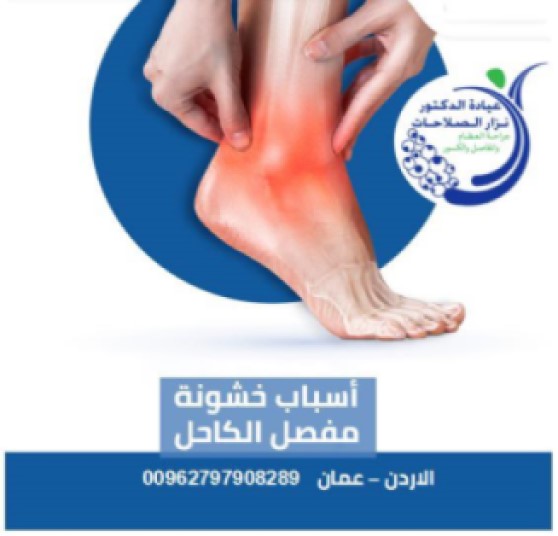
Ankle osteoarthritis is a disease that often affects young people, and the ankle joint is less likely to degenerate than other joints such as the knee or hip, due to the combination of structural and the most stress-tolerant ankle cartilage compared to the knee and hip joint. The roughness of the ankle joint usually appears due to clear reasons such as sports injuries, traumatic injuries or accidents. Approximately 5% to only 10% of ankle osteoarthritis occur for no apparent reason.
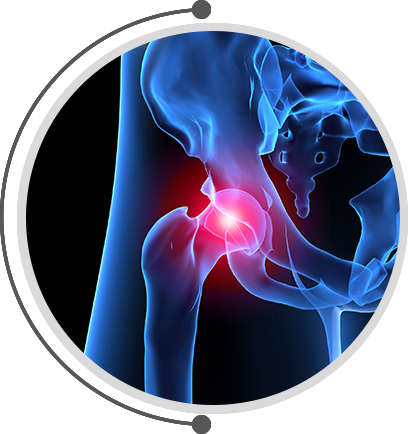
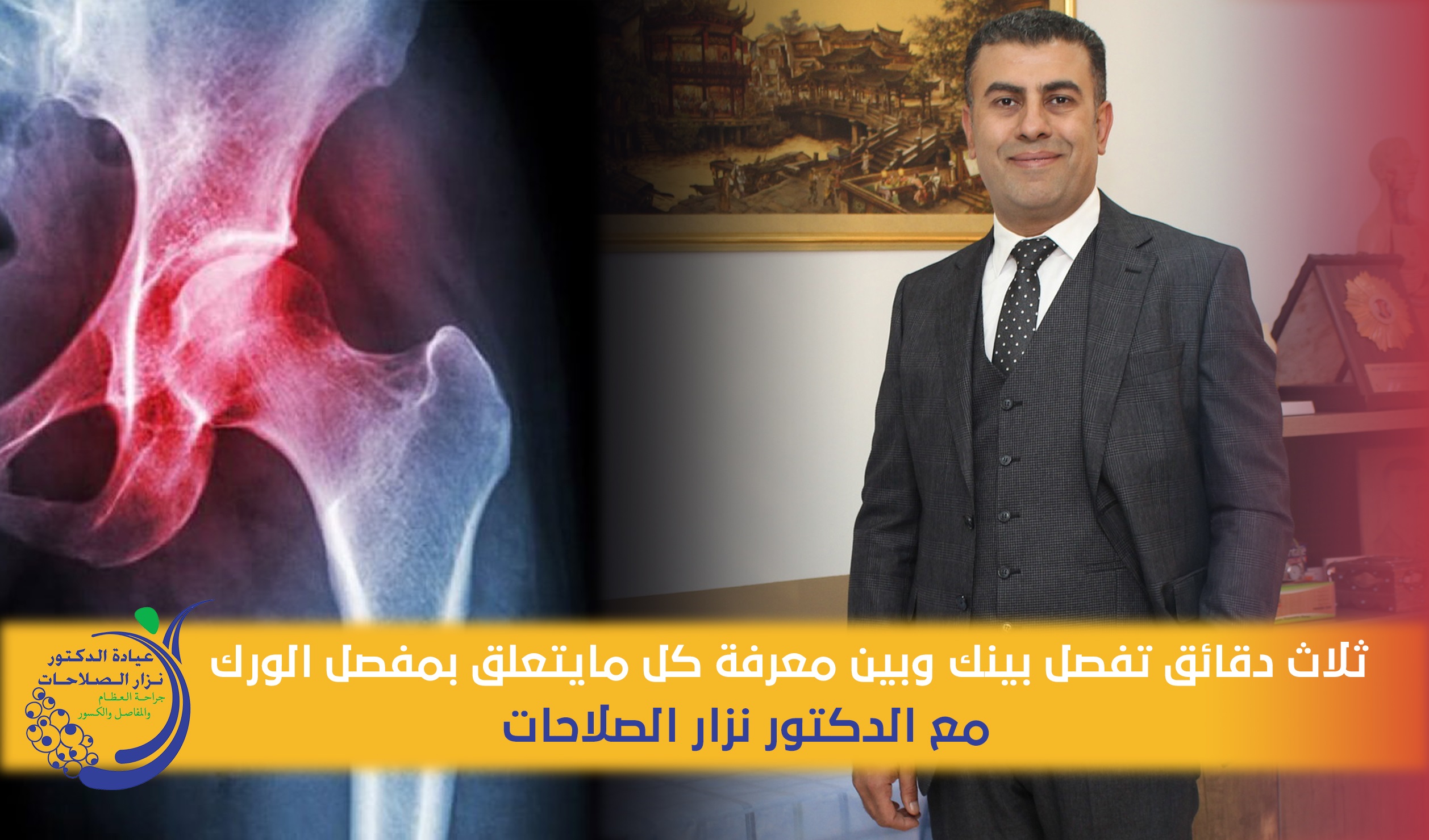
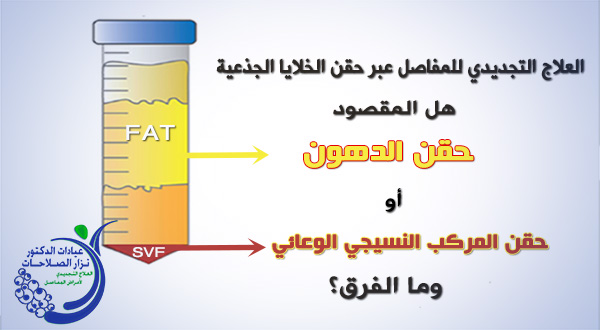
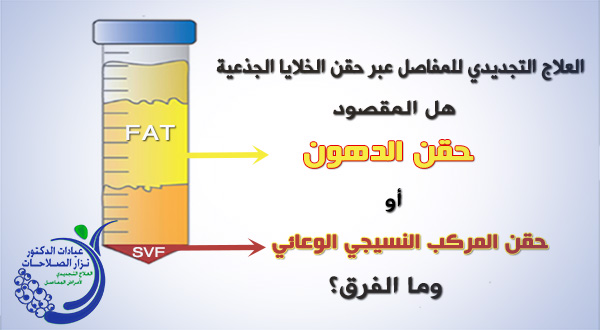
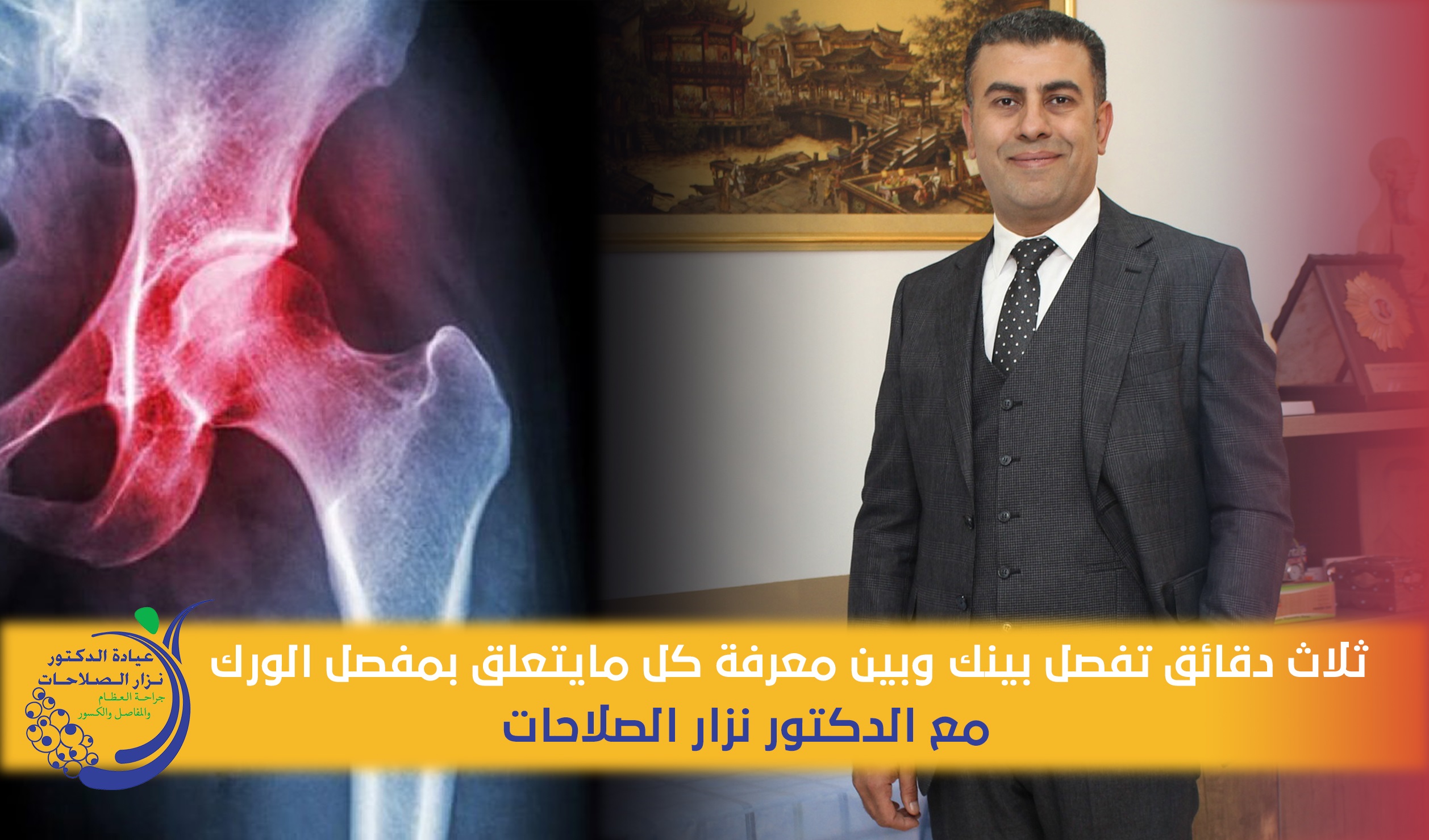
مفصل الورك هو أحد أكبر المفاصل في الجسم، وهو المفصل الرئيسي الذي يربط بين الجزء العلوي والجزء السفلي لجسم الإنسان، وهو من المفاصل الأساسية في الحركة، ووجود خلل أو مشكلة في مفصل الورك ستؤدي إلى إعاقة الحركة لدى الشخص المصاب بشكل كبير. نختص هنا بالذكر عن خشونة مفصل الورك و الإصابات (ونستثني الخلع الوراثي التطوري، وتنخر رأس عظم الفخذ)، فهناك طرق عديدة للتعامل مع خشونة مفصل الورك ذكرناها في مقال سابق ، وفي هذا المقال نبين ما فائدة حقن الخلايا الدهنية الغنية بالخلايا الجذعية للورك والتي تنتمي إلى العلاج التجديدي للمفاصل.
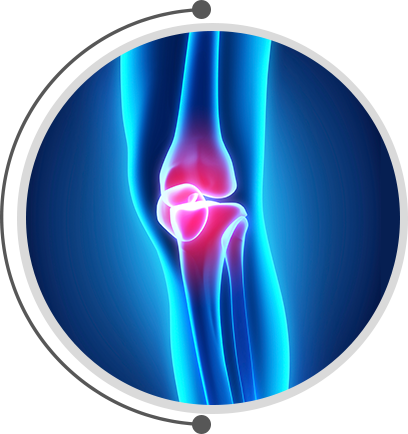
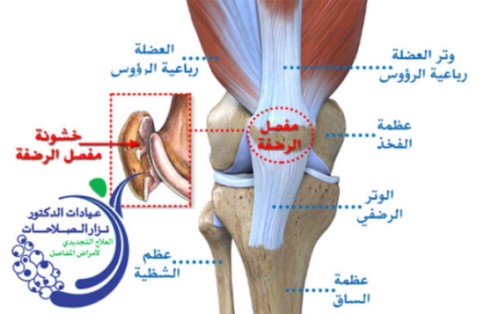
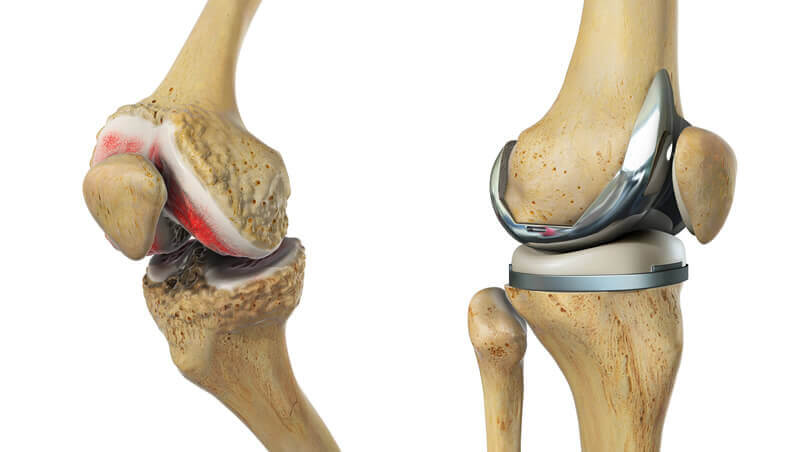
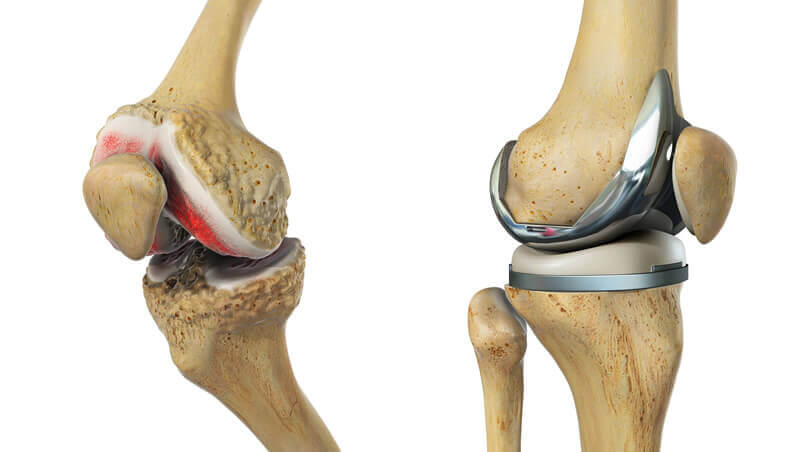
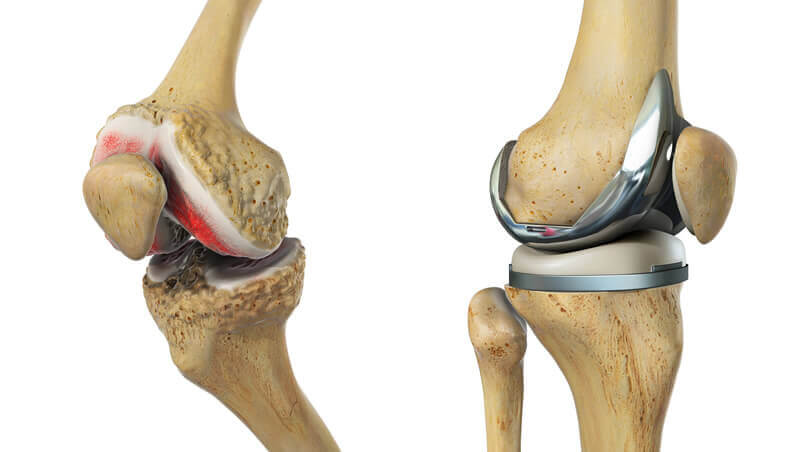
Knee OA is a pathological condition that occurs when the cartilage surface is deactive and lost. This is often caused in older adults by lack of rigidity and dryness of the cartilage surface of the joint and is associated with increased efforts and weight. While roughness may occur in young people due to sports injuries or an accident that leads to direct injury to the cartilage surface or menisci, thus injuring the cartilage surface, resulting in early osteoarthritis of the knee joint.
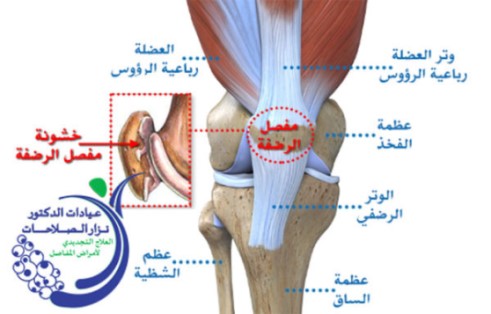
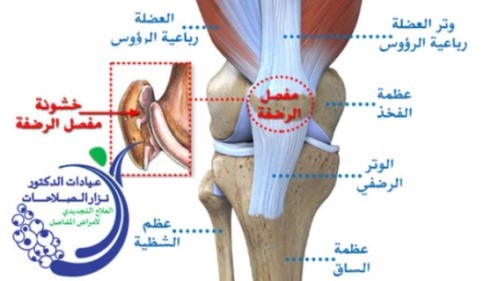
The knee joint is one of the large joints in the body, consisting mainly of the confluence of the femur and leg bone as well as a front bone called patella (knee soap) as well as two ligaments inside the joint, namely the anterior and posterior cruciate ligament and two extra-joint lateral ligaments, which are human and brutal, all of which work to stabilize the bones of the leg and thigh during movement and the stabilization of the knee joint in general and also contain cartilage. Crescent and synovial fluid inside it, which helps absorb shocks and facilitate movement.
The development wheel has been accelerating in the field of biomedical and regenerative medicine since the past two decades, and will replace most of the traditional orthopedic and joint surgical procedures in the near future. Just hope how the Internet was born in the late 1980s/ early 1990s and now it is almost completely control our lives. Why this change? Regenerative therapy technology has been born and widely used around the world, aimed at repairing and regenerating damaged tissue. This technique will continue to evolve and will change the balances in the world of orthopedic surgery!
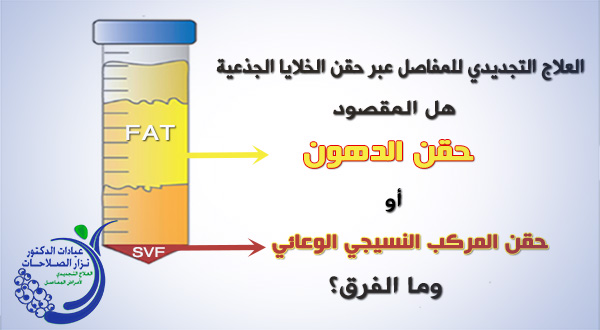
The aim of regenerative treatment (which cannot be achieved with traditional treatment) is to rebuild and regenerate damaged tissue in the joint, not through excision!... Regenerative medicine through Adipose derived stem cells injection, is the best way to regenerate and rebuild cartilage, which has been proven successful through MRI images before and after the injection of stem cell, and this goal cannot be achieved by following traditional methods of excision!